
 contact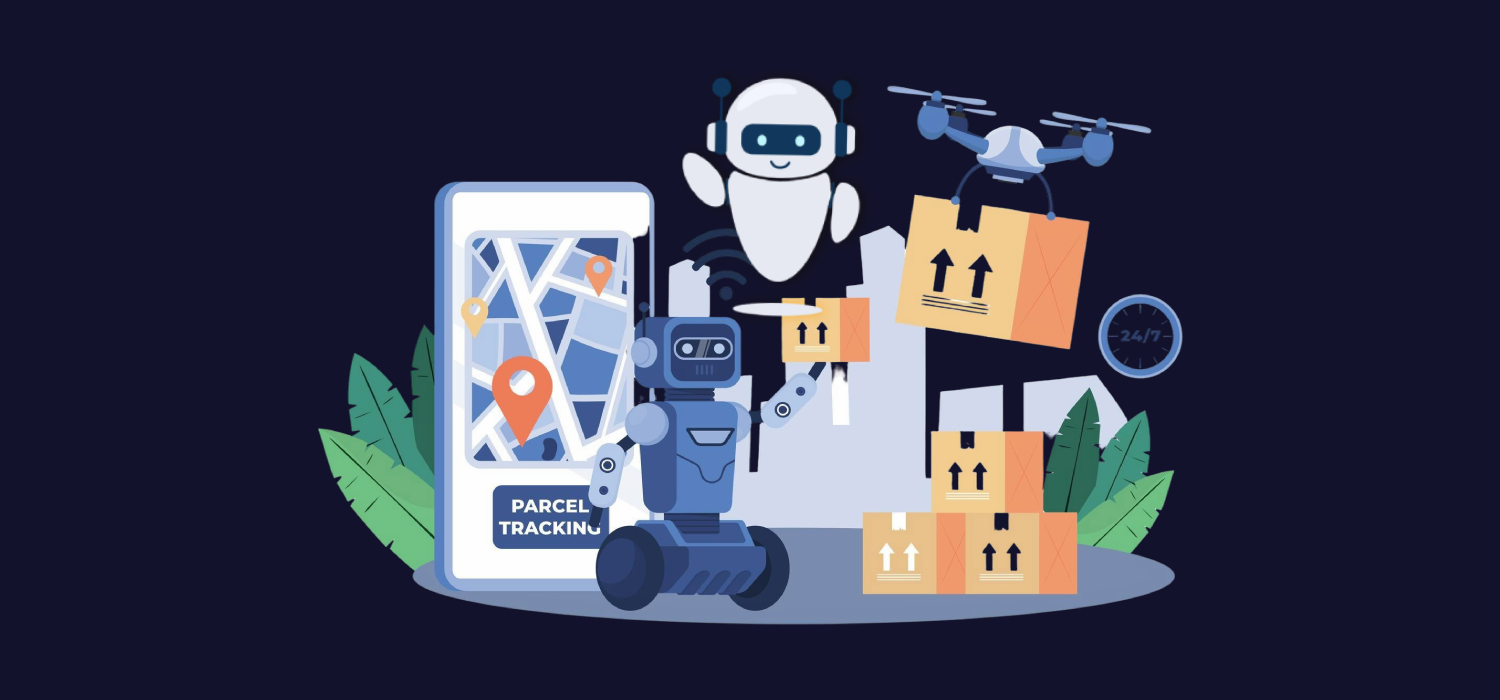

 By
By RPA Benefits in the Transportation Industry: What Companies Can Expect in 2026
Transportation companies are under pressure to deliver faster, improve visibility, and reduce costs. RPA in Transportation is emerging as one of the most reliable ways to handle these expectations.
As 2026 approaches, Robotic Process Automation in transportation will continue reshaping business operations by automating repetitive tasks, enhancing decision-making, and optimizing the movement of goods across networks.
The global RPA market is expected to exceed $13 billion by 2030, up from just over $1 billion in 2020 (Statista, 2025).
How Will RPA Improve Operational Efficiency in Transportation?
Transportation businesses rely on several back-office workflows, including documentation, invoicing, and route allocation. Manual handling of these tasks often causes delays and errors.
RPA supports efficiency by:
- Automating time-consuming document verification
- Reducing manual data entry in logistics and freight processes
- Accelerating billing, payment tracking, and compliance checks
- Improving turnaround for onboarding new transport partners and vendors
The result is a faster, cleaner workflow that gives staff more time to focus on planning and customer engagement.
What Impact Will RPA Have on Shipment and Fleet Visibility?
Tracking vehicles and shipments across networks is often fragmented and complex. Teams switch between multiple systems to confirm location and delivery updates.
RPA benefits in transportation industry involve simplifying visibility management by:
- Collecting real-time tracking information from multiple platforms
- Sending automated status notifications to customers
- Ensuring faster exception handling when disruptions occur
- Reducing dependency on manual follow-ups with fleet operators
When systems communicate more smoothly, transport teams can control delays and maintain transparency throughout the journey.
How Will Robotic Process Automation in Transportation Support Cost Management?
RPA gives companies a better grip on transport spending. Cost improvements usually come from minimizing errors and improving decision-making.
Key RPA benefits in transportation industry include:
- Verification of freight bills and prevention of overpayment
- Automated audit of contracts and negotiated rates
- Accurate calculation of fuel usage and maintenance scheduling
- Removal of overtime costs tied to repetitive manual tasks
Every automated workflow prevents financial leakage and improves profit margins.

What RPA Use Cases in Transportation Should Businesses Prioritize in 2026?
Transportation leaders can start automation with tasks that are rule-based and high in volume. Below is a quick overview of where RPA delivers immediate value.
| Priority Use Case | What RPA Does | Impact for Transportation Firms |
| Shipment Documentation | Automates generation, validation, and sharing of shipping documents | Fewer delays and faster customs clearance |
| Freight Billing | Matches invoices with contracts and delivery information | Prevention of billing errors and faster payments |
| Route Planning | Pulls weather, traffic, and load data into routing tools | Optimized travel time and fuel efficiency |
| Customer Queries | Responds to status requests through automated chat and email | Better experience and reduced human effort |
| Vendor Management | Tracks performance, compliance, and onboarding | Improved cooperation and accountability |
Focusing on these areas provides organizations with a strong foundation to scale automation across the supply chain.
Can RPA Strengthen Risk Management in Transportation Logistics?
Yes. Transportation companies deal with constant regulatory changes, safety requirements, and compliance audits. Manual checking often slows operations and creates gaps.
Here is how automation supports risk control:
- Automatic validation of driver credentials and permit renewals
- Monitoring vehicle maintenance records and compliance alerts
- Faster reporting for insurance and incident management
- Reconciliation of transport logs with safety guidelines
RPA ensures nothing falls through the cracks, even in fast-moving environments.
Will RPA Support Sustainability Goals in 2026?
Sustainability demands informed decisions about routing, fuel efficiency, and vehicle usage. When data remains scattered, planning becomes reactive instead of strategic.
RPA supports sustainability objectives by:
- Providing automated reports on fuel consumption and emissions
- Identifying unnecessary travel and delays for optimization
- Supporting fleet modernization strategies with timely insights
Manufacturers using RPA can save nearly 30% of operational expenses, paving the way for long-term sustainability (NASSCOM, 2024).
Conclusion
RPA in transportation is actively transforming how companies operate, deliver goods, and communicate with customers. From cost reduction to real-time visibility, automation steps in where manual processes hold businesses back.
Organizations that invest in Robotic Process Automation today will have a smarter, more resilient transport network by 2026. The next step is to identify the right workflows, select automation tools, and create a roadmap that aligns with business goals. The potential is already here. The gains now depend on the willingness to adopt.
FAQs
What makes RPA cost-effective for transport companies in 2026?
Automation reduces labor-intensive tasks, prevents billing inaccuracies, and simplifies compliance processes, lowering long-term operational costs without disrupting existing systems.
Is RPA adaptable to different types of transport operations?
Yes, RPA works across road, air, rail, and maritime logistics because it integrates with existing systems and adapts to diverse workflow structures effectively.
How soon can transportation companies see results after adopting RPA?
Most organizations notice improvements within a few weeks as automated workflows reduce delays, errors, and manual workload from the very beginning.
Can RPA support integration with advanced technologies like AI and IoT?
Yes, RPA connects seamlessly with AI and IoT platforms to enhance data processing, predictive analytics, and smart decision-making in logistics operations.
Does RPA help in better handling of seasonal transport demand spikes?
RPA scales instantly to manage higher workload, ensuring uninterrupted processing of documents, tracking updates, and customer queries during peak periods.
About Author